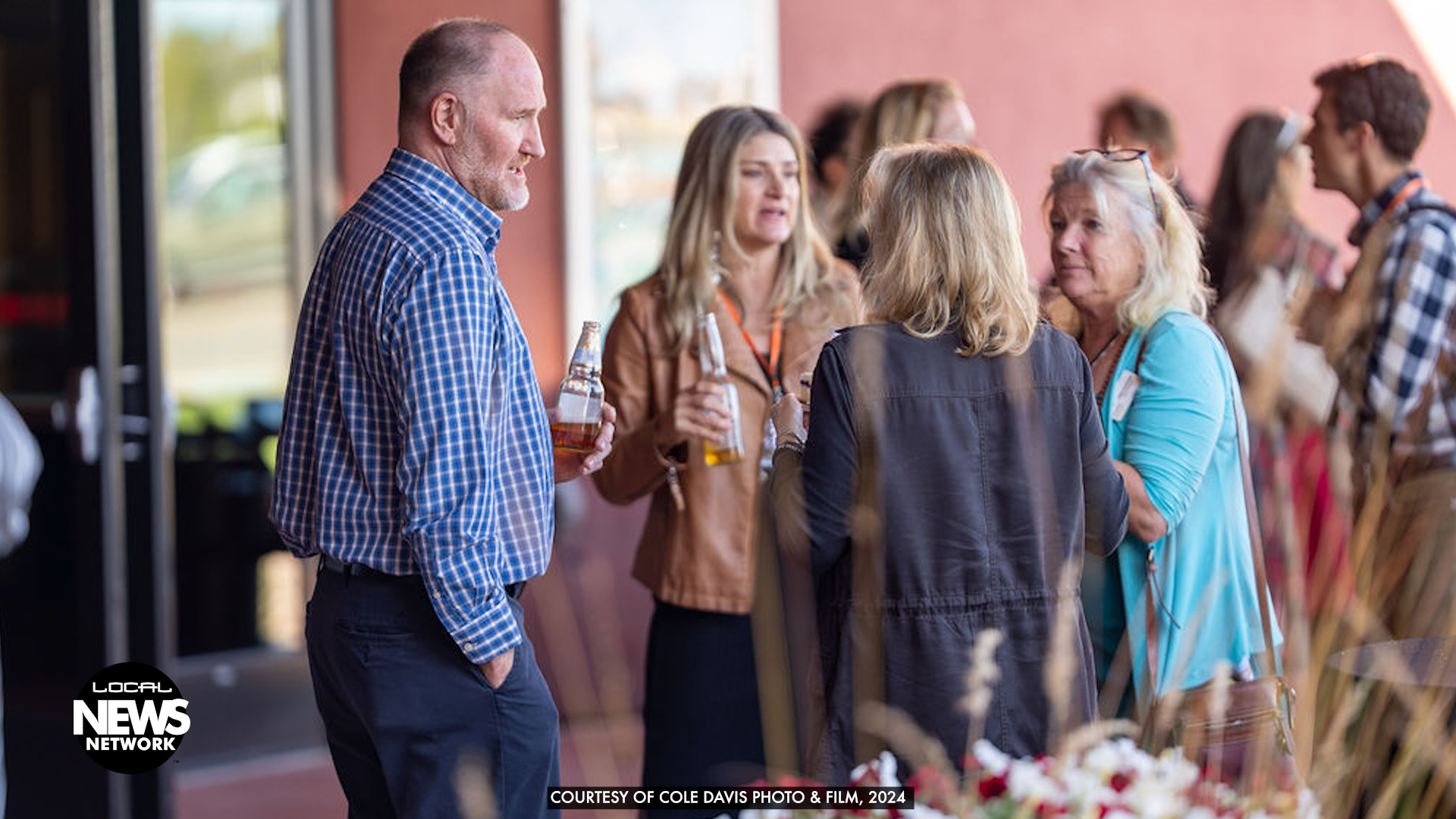
Durango wasn't always the tree-lined community it is today — in the late 19th century, the landscape was largely barren — but now, climate change and rapid development are threatening the 12,000-plus trees that define it. The DurangoScape 2026 Climate Conference, hosted by the Durango Botanic Gardens brought together local and regional experts to help residents understand how to protect their community forest through smarter planting, root system awareness, and early action. This story is sponsored by Payroll Department and Durango Gelato, Coffee & Tea
In the late 19th century, Durango was a barren landscape where there was not a tree in sight. Today we have a very robust community forest, but we want to understand the, the vision that those people had in the, in the late 19th century. We we're going to encourage the community to think about the future, what kind of changes we'll see in the climate, and how that will require some adaptation, maybe different trees, different landscaping. In other words, we need to adapt to what's happening.
You're watching the local News Network, brought to you by the payroll department and Durango Gelato Coffee and Tea.
The Durango Botanic Gardens are located and we've been in business, you might say, since 2010. We just celebrated our 15th anniversary. Our mission is to demonstrate the kinds of plants that will work in your yard. Durango scape is kind of a catchall word for landscaping trees, and so we've been producing that this conference since 2020, as a way to kind of examine the impact that climate change is having on this area in terms of horticulture, agriculture, landscaping, both city and residential and forest,
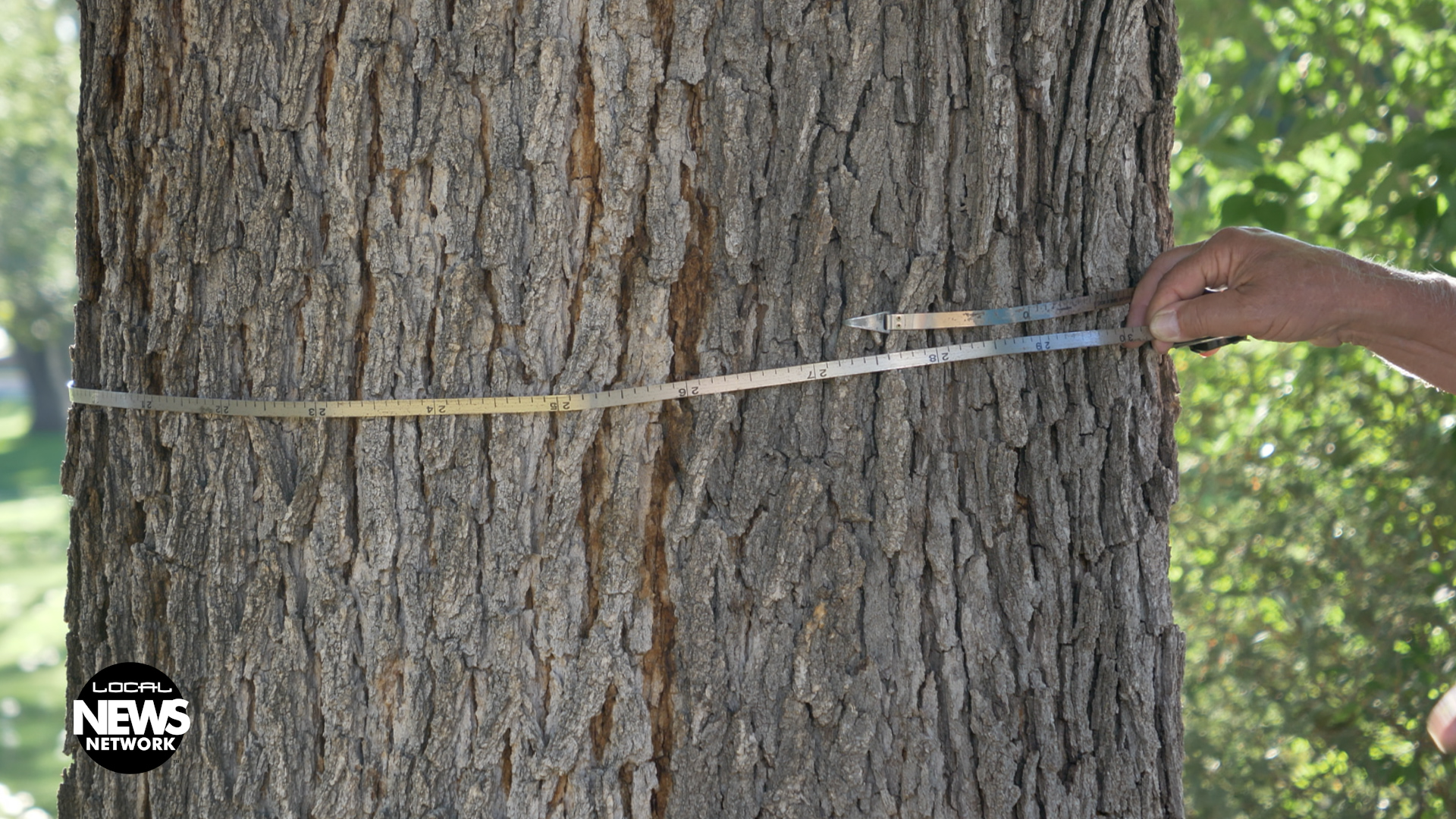
I recognize very quickly that if the urban forest is strong and the community is strong, and there's definitely an overlap between community growth and forest growth. And so we host opportunities like this to infuse education into a greater population. It all starts with education and awareness, like looking for opportunities to connect with your tree so you recognize when something's not right, so you can take care of those challenges earlier. Tremendous benefit to the longevity of the tree. Also, if you're building a new home, it's important to talk with the contractor about root protection zone. So much of what we see challenging trees in the urban environment stems from the root system, challenges that these trees have been subjected to. And if we can protect root systems, we have more resilience to the stressors of climate change, drought impacts of stress, reflections from heat, from the sidewalks, and all of those things.
We want to community to understand the value of their community forest, understand what the benefits are, and, and also kind of protect the legacy.
Highlighting the importance of connecting with your trees, being aware of what's happening in your forest ecosystem so we can make decisions early so we can keep trees in the landscape longer, and we can prepare for a more dynamic future.
If you're going to start to adapt to climate change, you need to do it now because trees don't grow overnight. It takes time. And just as those people in the late 19th century realize, and you know we're the beneficiaries of their vision, and we want to protect that vision and enlarge upon it.
For more information, visit: And for more stories like this, visit: durangolocal.news